The outcome was more amazing than I could have imagined!

Standard

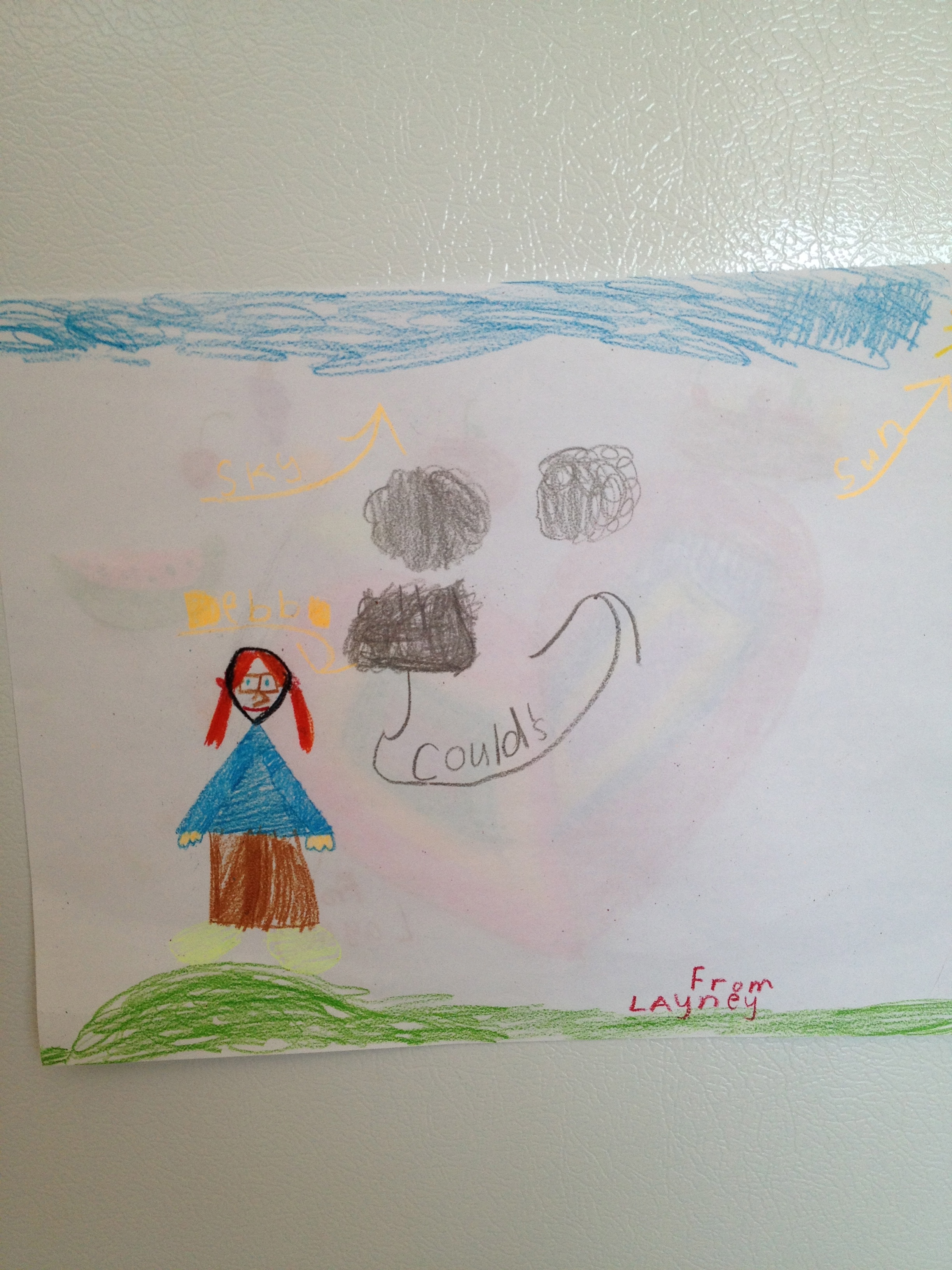
Hi! I have to share this “teachable moment” that happened this week outside of the kindergarten classroom. What great excitement when we looked out the window! This little friend was there grazing! The kids wanted me to go out and take its picture…with my iPhone in hand, I stepped just outside the door and approached slowly to get a good pic without scaring it. The pressure was on as the children watched through the window. I discovered that if I clicked my tongue…the deer was curious, and lifted his head to watch me approach. Anyhow, I got very close and was happy with the picture to show the children! They were thrilled! Well, the picture prompted all kinds of questions from the children! For the rest of the afternoon, we read about deer, googled deer facts,  discussed sounds deer might be interested in, drew deer, made play-dough deer, painted deer, shared deer stories, made a KWL chart and had fun taking learning stories home to share with families! This week we are going to watch a video…Stranger in the Woods by Carl Sams II Image& Jean Stoick featuring beautiful deer in their natural environment.

“Inquiry is an approach to learning whereby children find and use a variety of sources of information and ideas to increase their understanding of a problem, topic or issue of importance. it requires more than simply answering questions or getting a right answer. It espouses investigation, exploration, search, quest, research, pursuit and study. It is enhanced by involvement with the community of learners, each learning from the other in social interaction.”

Kuklthau, Maniotes & Caspari  2007  What is Inquiry? p. 2
 

Pedagogical Documentation

Standard

Through pedagogical documentation, educators are finding creative and lasting ways to…

1. Create shared understanding.

2. Celebrate rights of individual learners.

3. Recognize student ownership of knowledge.

4. Actualize shared responsibility.

5. Provide voice in learning for everyone.Image

Assessment often focuses on determining children’s levels of competency, not uncovering children’s processes of meaning making.

Standard

ImageAssessment beginning with stepping back and listening??

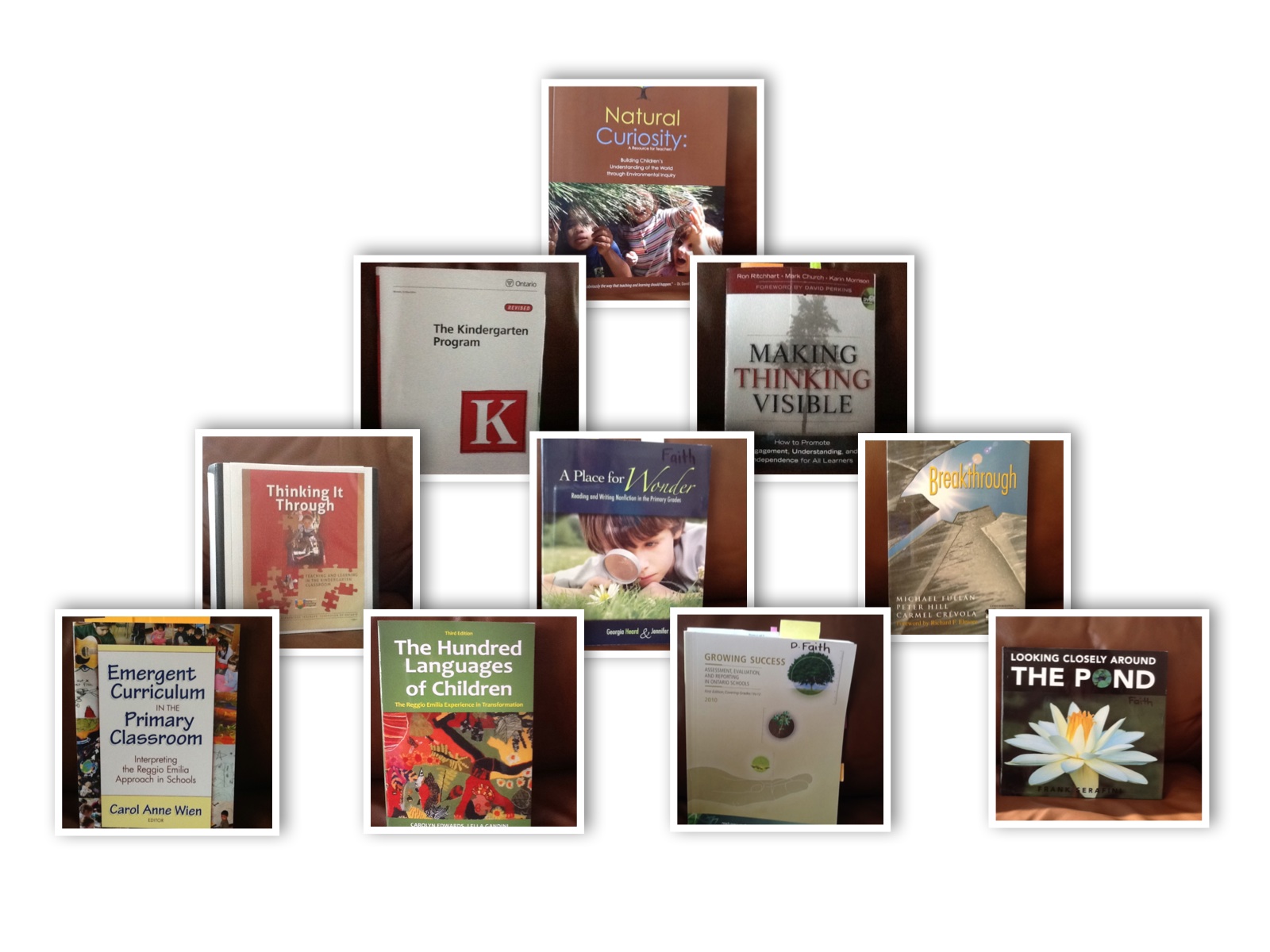
I have found these resources very helpful!

The concept of documentation is a procedure used to make learning visible, so that it can be recalled, revisited, reconstructed, interpreted, and reinterpreted as a basis for decision making. In-depth documentation can reveal the learning paths that children are taking and processes they are using in their search for meaning. Documentation is a tool for helping teachers and children reflect on prior experience; listen to each other’s ideas, theories, insights, and understandings; and then make decisions together about future learning paths. Taken from p.274 The Hundred Languages of Children

Traces of learning e.g. notes, photos and videos can be shared with children so they can examine their work.  Teachers scaffold the children’s reflections with probing questions which encourage the children to take their thinking further, or to look at their ideas again and explain to others. Children learn to self-assess.

The concept of a responsive curriculum and negotiated learning, that puts documentation at the centre of learning and teaching may raise questions from some observers.  As we share the advantages of this learning, mindsets experience change.

Documentation moves us beyond an interest in outcomes and moves us to an exploration of relationships and feelings that form the stuff of educative experience. (Yu, 2008)

What does it make you wonder about?

Standard

Below are some sites you may want to visit to deepen your roots into inquiry based learning.

http://resources.curriculum.org/secretariat/kindergarten/inquiry.html

http://www.edutopia.org/kindergarten-project-based-learning

edugains videos on ministry website

http://www.makinglearningvisibleresources.org/

http://www.starfall.com

The Capacity Building Series at http://www.edu.gov.on.ca/eng/literacynumeracy/inspire/

ImageLeaders must have a  comprehensive and current understanding of inquiry, play-based learning.

An inquiry stance is critical to engagement and sustained learning across grades. Taken from The Early Years: Transforming Vision into Reality A Conversation with System Leaders Ministry of Education

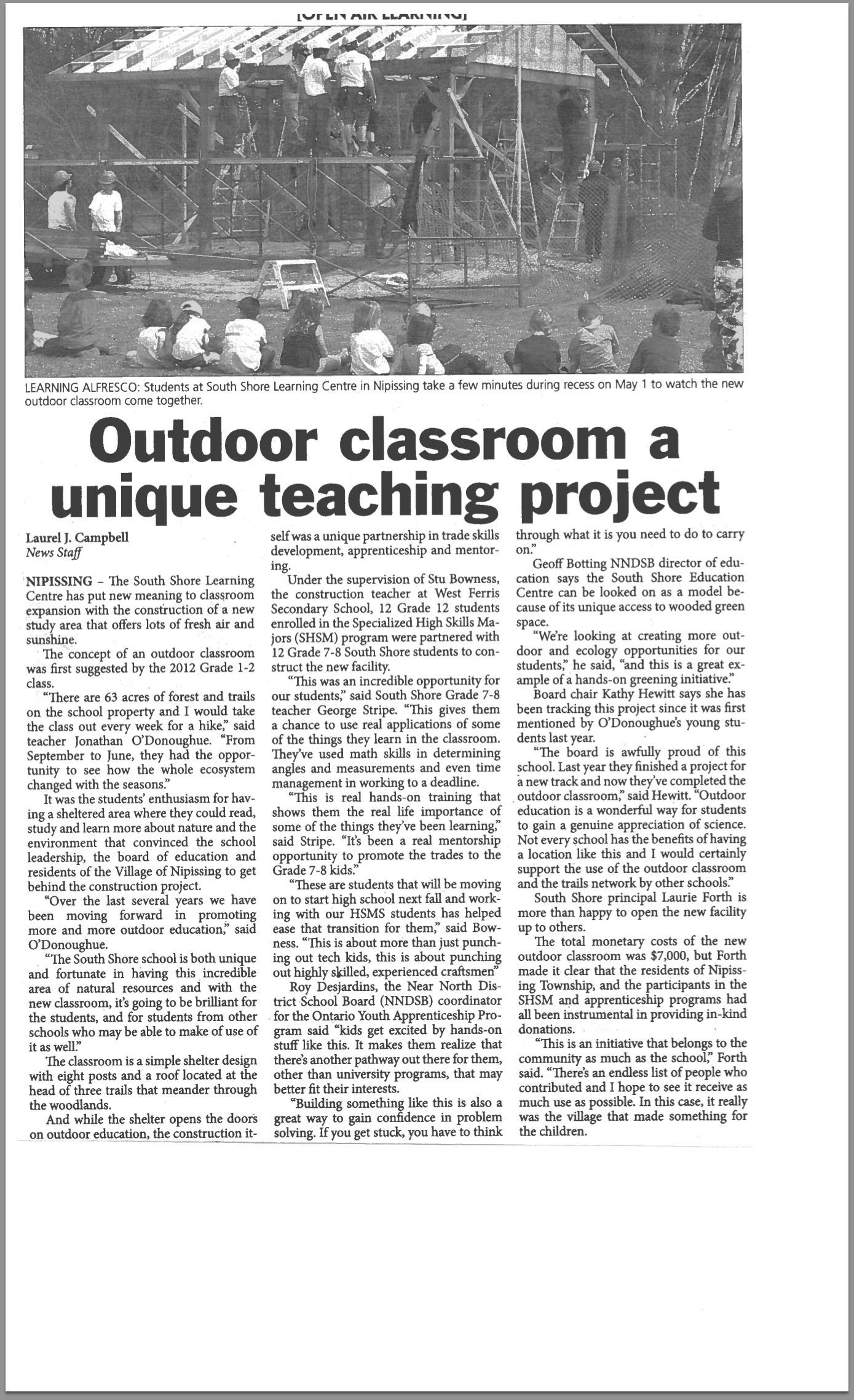
Our Outdoor Classroom at South Shore Education Centre

Standard

Margie Carter’s article, “Making Your Environment The Third Teacher” in Exchange, The Early Leaders’ Magazine is wonderful!  The environment is actually a powerful teacher.

“Every person needs a place that is furnished with wonder and hope.” Maya AngelouImage

Gandini suggests creating flexible environments that are responsive to the need for children and teachers to construct knowledge together.

Mrs. Spitzer’s Garden by Edith Pattou

Image

Mrs. Spitzer's Garden by Edith Pattou

I have been thinking of my Blog today and thinking of sharing this book with you. One day a few years ago, a Gramma of one of my students arrived at my classroom door with a gift.
I opened the gift, finding Mrs. Spitzer’s Garden.
It is a gift I will cherish forever!
Without giving it away, envelope yourself in this great read.
Isn’t this what we want to create for each child?

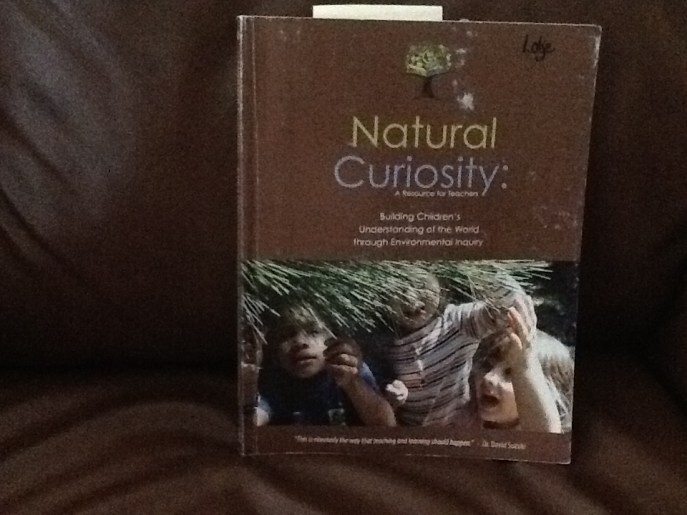
Natural Curiosity

Image

Natural Curiosity

Building on children’s natural curiosity is key. Children explore and discover to make sense of their world around them.
I just love this resource! It is a must have foundation- building children’s understanding of the world through environmental inquiry.
I love this quote, “That moment where the learning lives.”
Being a careful observer and listener and paying attention to children’s questions is an effective way to begin an inquiry. The role of teacher is not as expert but one as teacher as facilitator. Scaffolding children’s learning helps children to feel successful as learners.
This resource is so well laid out, it will assist you in building
a great foundation to your many questions around inquiry-based learning.
Nurturing a sense of wonder is a gift to last a lifetime. The joy, excitement, and mystery of the world we live in provides many
opportunities for children to genuinely investigate their own questions about the world. CURIOSITY IS CULTIVATED!

Quote

“The Mind is not a vessel to be filled, but a fire to be Ignited.” Plutarch

Effective Learning Teachers plan exploratory experiences in a play-based environment that fosters creative problem solving and discovery in a social setting.